
Is Cognitive Behavioral Therapy Right for Your Tinnitus? A Doctor's Assessment Guide
Find out if CBT for tinnitus matches your specific situation with a practical self-assessment guide grounded in the research and common clinical patterns.
By Yuan Liu, MD
"Doctor, I've tried everything. White noise machines, supplements, acupuncture, even that thing where you tap behind your head 50 times. Nothing works. A friend mentioned CBT, but... talking about my feelings? How is that going to stop this ringing?"
I hear some version of this conversation at least three times a week. The skepticism is always there, hanging in the air between us like a challenge. And honestly? I get it. When you're dealing with a physical sensation—a very real, very maddening sound in your ears—the idea that changing your thoughts could help seems almost insulting.
"Let me ask you something," I usually respond. "When does your tinnitus bother you most?"
The answers are remarkably consistent: "When I'm trying to sleep." "During important meetings." "When I'm already stressed." "On bad days, it's all I can think about."
"And when do you barely notice it?"
A pause. Then, often with surprise: "When I'm really focused on something else. When I'm exercising. When I'm having fun with friends."
That moment of realization—that's when we can have a real conversation about whether cognitive behavioral therapy for tinnitus might be their answer.
The Fundamental Misconception About CBT and Tinnitus
Here's what CBT for tinnitus isn't: It's not about positive thinking your way out of a medical condition. It's not about convincing yourself the sound isn't real. And it's definitely not about "just relaxing" or "learning to live with it."
Think of it this way: If you broke your leg, you'd need a cast to heal the bone. But you'd also need physical therapy to regain strength and mobility. You'd need to learn new movement patterns to avoid re-injury. You might even need to address the fear of walking that developed after the injury.
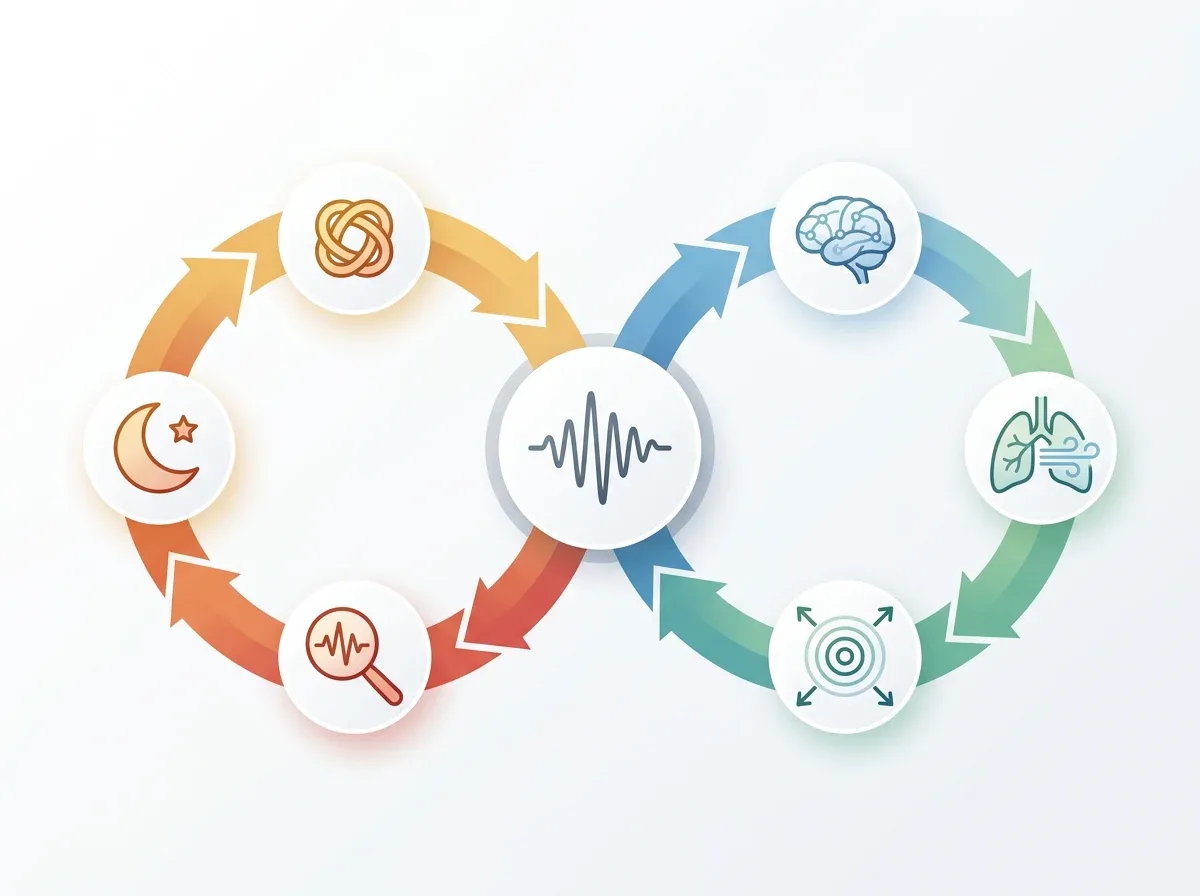
Tinnitus works similarly. While we work on the physical aspects (and yes, always rule out treatable causes first), CBT addresses everything else: the anxiety that amplifies the sound, the sleep disruption that makes everything worse, the avoidance behaviors that shrink your world, and the catastrophic thoughts that turn a manageable condition into a life-destroying one.
Your Personal CBT Candidacy Assessment
Before we go further, let's determine if you're likely to benefit from CBT for tinnitus. Answer honestly—this isn't about right or wrong, but about finding the right treatment match for you.
Part A: Your Tinnitus Reaction Pattern
Rate each statement from 0 (never) to 4 (always):
- Emotional Amplification: "When I notice my tinnitus, I immediately feel anxious, angry, or depressed"
- Catastrophic Thinking: "I think about worst-case scenarios, like going deaf or never sleeping again"
- Hypervigilance: "I constantly monitor my tinnitus, checking if it's louder or different"
- Avoidance Behaviors: "I've stopped doing things I enjoy because of my tinnitus"
- Sleep Anxiety: "I dread bedtime because I know the tinnitus will keep me awake"
- Control Struggles: "I spend significant time trying different things to stop the sound"
- Identity Fusion: "I feel like tinnitus has become part of who I am"
- Social Impact: "I avoid quiet places or social situations because of my tinnitus"
Scoring Part A:
- 24-32: Strong CBT candidate - Your thought patterns are significantly impacting your tinnitus experience
- 16-23: Good CBT candidate - You have several thinking patterns CBT can effectively address
- 8-15: Moderate CBT candidate - Some CBT techniques may be helpful
- 0-7: Limited CBT fit - Your tinnitus response is already fairly adaptive
Part B: Your Learning and Change Readiness
Answer Yes or No:
- Can you commit to 20-30 minutes daily for exercises and practice?
- Are you willing to track your thoughts and behaviors for at least two weeks?
- Can you accept that the goal is changing your response, not eliminating the sound?
- Are you open to challenging long-held beliefs about your tinnitus?
- Do you generally follow through on health recommendations?
- Can you tolerate temporary discomfort for long-term improvement?
- Are you willing to try behavioral experiments, even if they seem counterintuitive?
- Do you have at least 6-8 weeks to commit to the process?
Scoring Part B:
- 6-8 "Yes": Excellent readiness for CBT
- 4-5 "Yes": Good readiness, may need extra support
- 2-3 "Yes": Consider whether timing is right
- 0-1 "Yes": CBT may not be the best fit right now
The Four Tinnitus Profiles That Thrive with CBT
Through years of practice, I've identified four distinct patient profiles that consistently achieve excellent results with cognitive behavioral therapy for tinnitus:
Profile 1: The Anxious Monitor
Sarah, a 42-year-old accountant, checked her tinnitus approximately 60 times per day. She had a mental volume scale from 1-10 and could tell you exactly where her tinnitus ranked at any moment. This constant monitoring created a feedback loop—the more she checked, the louder it seemed, which made her check more.
Why CBT works for this profile: CBT directly addresses the monitoring behavior through attention training and behavioral experiments. Patients learn that checking actually increases perceived volume and that deliberate non-monitoring leads to habituation.
Success indicators: Reduction in daily monitoring from 60+ times to under 5 within 4 weeks. Sarah now goes hours without noticing her tinnitus.
Profile 2: The Catastrophic Thinker
Michael, a 58-year-old teacher, was convinced his tinnitus meant impending deafness. Every volume fluctuation triggered thoughts like "It's getting worse," "I'll have to quit teaching," "My life is over." These thoughts created genuine panic, which—ironically—made his tinnitus temporarily louder, seeming to confirm his fears.
Why CBT works for this profile: Cognitive restructuring helps identify and challenge catastrophic predictions. Patients learn to distinguish between thoughts and facts, developing more balanced, evidence-based thinking patterns.
Success indicators: Decreased anxiety scores, improved sleep, return to normal activities. Michael discovered his hearing was actually stable and his catastrophic predictions never materialized.
Profile 3: The Sleep Struggler
Jennifer, 35, had mild tinnitus during the day but described nights as "torture." She'd developed elaborate bedtime rituals—specific pillow arrangements, exact fan speeds, multiple sound machines. Despite these, she'd lie awake for hours, increasingly frustrated, which made both the tinnitus and insomnia worse.
Why CBT works for this profile: CBT-I (CBT for Insomnia) techniques combined with tinnitus-specific strategies break the sleep-anxiety cycle. Patients learn sleep restriction, stimulus control, and paradoxical intention techniques.
Success indicators: Decreased sleep onset time, reduced nighttime awakenings, improved sleep efficiency. Our article on why tinnitus is worse at night explains this phenomenon in detail.
Profile 4: The Life Restrictor
David, 50, had systematically eliminated activities from his life. No more restaurants (too loud), no more meditation (too quiet), no more concerts (might make it worse), no more hiking (what if there's no background noise?). His world had shrunk to "safe" spaces.
Why CBT works for this profile: Graded exposure and behavioral activation help patients reclaim their lives. They learn that avoidance actually increases tinnitus salience and that engagement in meaningful activities promotes habituation.
Success indicators: Resumed activities, increased quality of life scores, reduced tinnitus-related disability. David recently attended his first concert in three years—with proper ear protection—and enjoyed every minute.
Who Might NOT Be an Ideal CBT Candidate
Let's be equally clear about situations where CBT might not be the first-line treatment:
Medical Red Flags Requiring Immediate Evaluation
If you have any of these, see an ENT or neurotologist before considering CBT:
- Sudden onset tinnitus in one ear
- Pulsatile tinnitus (rhythmic, pulse-like sound)
- Tinnitus with sudden hearing loss
- Tinnitus with vertigo or balance problems
- Tinnitus with facial weakness or numbness
- Tinnitus after head trauma
- Rapidly worsening tinnitus over days/weeks
Conditions That May Need Different Approaches First
Severe Depression or Anxiety Disorders: While CBT helps both, severe mental health conditions may need stabilization first. The cognitive demands of CBT require a certain baseline functioning.
Active Substance Use Issues: CBT requires consistent practice and clear thinking. Active addiction interferes with both. Address substance use first, then tackle tinnitus.
Severe Hyperacusis: When normal sounds cause pain, the exposure elements of CBT can be problematic. Specialized sound therapy may be needed first.
Unwillingness to Accept Uncertainty: If you're seeking CBT purely to eliminate the sound completely, you'll be frustrated. CBT changes your relationship with tinnitus, not necessarily the tinnitus itself.
What Actually Happens in CBT for Tinnitus
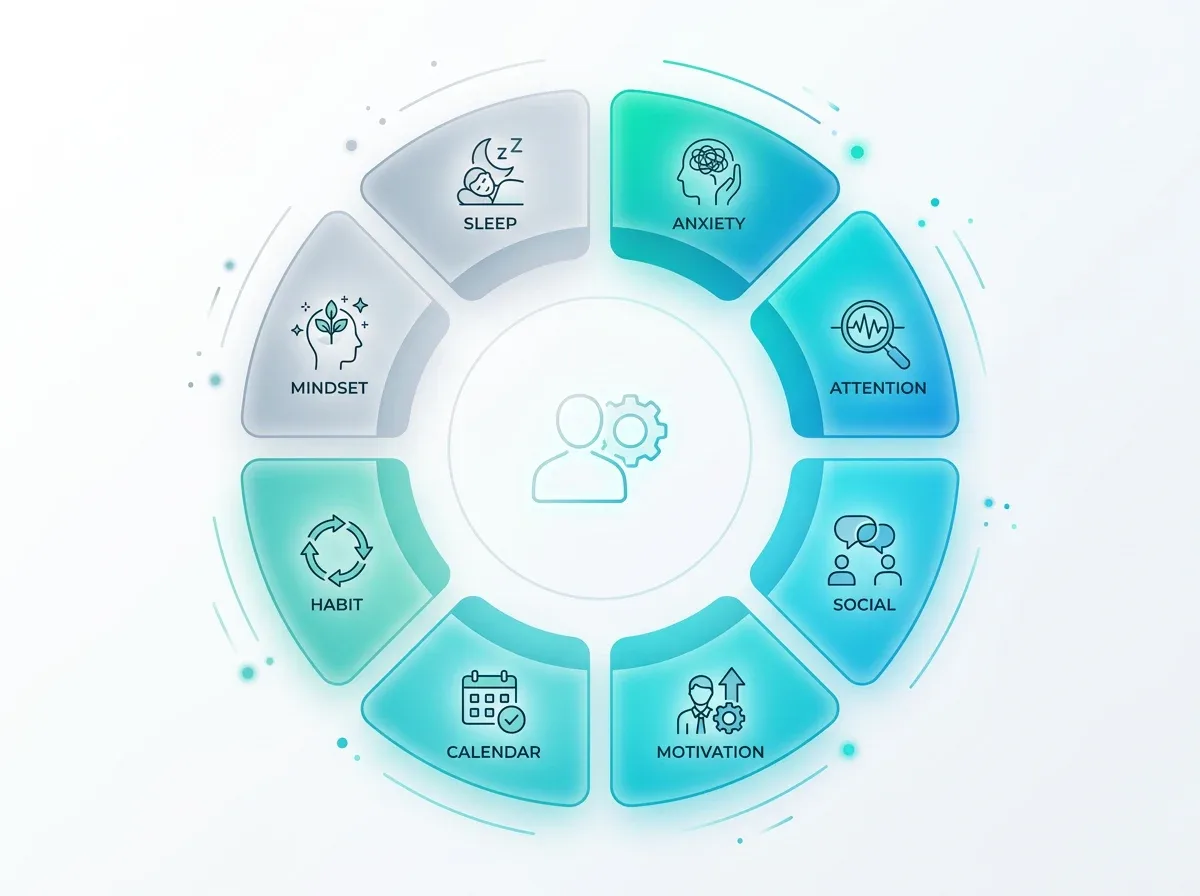
CBT for tinnitus uses specific, evidence-based techniques designed to break the tinnitus-distress cycle. Here are the core components you'll learn:
Key CBT Techniques for Tinnitus
Cognitive Restructuring
- Identifying catastrophic thoughts ("This will destroy my life")
- Challenging cognitive distortions with evidence
- Developing balanced, realistic perspectives
- Common patterns addressed: catastrophizing, fortune telling, mental filtering, all-or-nothing thinking
Attention Training
- Deliberate focus shifting (not trying to "not think" about tinnitus)
- Mindfulness techniques specific to sound awareness
- Concentration rebuilding exercises
- Training the brain's selective attention mechanisms
Behavioral Activation
- Systematic reintroduction of avoided activities
- Graded exposure to challenging situations
- Pleasant activity scheduling despite tinnitus
- Breaking the withdrawal-isolation cycle
Exposure Techniques
- Controlled exposure to quiet environments
- Reducing dependence on constant background noise
- Building confidence without safety behaviors
- Testing catastrophic predictions in real situations
Sleep Optimization
- Tinnitus-specific sleep hygiene strategies
- Paradoxical intention techniques
- Stimulus control therapy
- Progressive muscle relaxation adapted for nighttime tinnitus
Mindfulness and Acceptance
- Observing tinnitus without judgment
- Separating the sound from emotional reaction
- Body scan techniques
- Acceptance-based strategies for difficult days
Imagery and Visualization
- Creating competing neural pathways
- Personalized imagery for distress reduction
- Distance and volume visualization techniques
- Mental "safe spaces" for acute episodes
Relapse Prevention
- Identifying personal warning signs
- Creating action plans for setbacks
- Building a toolkit of preferred techniques
- Establishing maintenance routines
The typical progression involves initial assessment and education about tinnitus neuroscience, followed by skill building through guided practice, then consolidation of the techniques that work best for you. Whether delivered through traditional therapy or digital programs like Reductinn, the focus is on giving you practical tools to reclaim your life from tinnitus.
Digital CBT vs. Traditional Therapy: A Practical Comparison
The question I get constantly: "Should I see a therapist or use an app like Reductinn?"
Let me give you the real breakdown, not the marketing version:
Traditional In-Person CBT for Tinnitus
Advantages:
- Personal connection with a therapist who knows your specific situation
- Real-time adjustment based on your responses
- Accountability through scheduled appointments
- Immediate clarification of confusion
- Complex cases get individualized attention
Disadvantages:
- Cost: $150-300 per session, rarely covered by insurance for tinnitus
- Access: Few therapists specialize in tinnitus CBT
- Scheduling: Weekly appointments during business hours
- Travel time and logistics
- 3-6 month waiting lists for specialists
Best for: Complex cases with multiple conditions, those who need high accountability, people who learn best through discussion, those with good insurance coverage.
Digital CBT (Like Reductinn)
Advantages:
- Available 24/7, including those 3 AM desperation moments
- Costs less than one traditional therapy session for months of access
- No waiting lists or scheduling hassles
- Practice in private, at your own pace
- Consistent, evidence-based protocol every time
- Progress tracking and data insights
Disadvantages:
- Requires self-motivation
- No personalized adjustments for complex cases
- Can't address comorbid conditions simultaneously
- Some people need human connection to engage
- Technical issues or app learning curve
Best for: Motivated self-starters, those with straightforward tinnitus, people with limited access to specialists, anyone needing flexible scheduling, those wanting to try CBT before committing to therapy.
The Hybrid Approach
Increasingly, I recommend combination approaches:
- Start with digital CBT for foundational skills
- Add in-person therapy if you plateau or have complications
- Use apps for daily practice between therapy sessions
- Return to digital tools for maintenance after therapy
One patient described it perfectly: "The app taught me the techniques, but therapy helped me apply them to my specific life. Now I use the app to stay on track."
Real Success Indicators and Realistic Timelines
Let's talk honestly about what "success" means in CBT for tinnitus, because it's probably not what you think.
What Success Really Looks Like
Success is NOT:
- Complete silence
- Never noticing your tinnitus
- Loving the sound
- Pretending it doesn't exist
Success IS:
- Going hours without noticing tinnitus
- Noticing without panicking
- Sleeping despite the sound
- Returning to avoided activities
- Tinnitus becoming boring background noise
Our comprehensive research review shows that CBT can produce meaningful improvement in tinnitus distress for many people. But "improvement" needs definition.
The Timeline Reality
Week 1-2: Education and awareness. You might actually notice tinnitus MORE as you start paying attention to your reactions. This is normal and temporary.
Week 3-4: First glimpses of change. Maybe you catch yourself automatically using a technique. Perhaps you notice one less check per day. Small wins.
Week 5-8: Momentum builds. Good days become more frequent. You might have your first "forgot about it for hours" experience. Sleep often improves here.
Week 9-12: Integration. Techniques become automatic. You're not "doing CBT" anymore; you're living differently. Setbacks feel manageable, not catastrophic.
Months 3-6: Consolidation. What felt like work becomes habit. Many people report this is when tinnitus truly fades into the background of their lives.
Beyond 6 months: Maintenance. Like physical fitness, mental fitness requires ongoing practice, but much less intensive. Five minutes daily often suffices.
Measuring Your Progress
Track these specific markers:
Tinnitus Handicap Inventory (THI) Score: Take this standardized questionnaire monthly. A 20-point reduction is considered clinically significant.
Sleep Metrics:
- Time to fall asleep
- Number of nighttime awakenings
- Total sleep time
- Sleep quality rating
Behavioral Markers:
- Activities resumed
- Social events attended
- Quiet environments tolerated
- Focus periods achieved
Emotional Indicators:
- Anxiety level when noticing tinnitus (0-10)
- Daily mood ratings
- Catastrophic thoughts per day
- Confidence in managing tinnitus
The Integration Question: When to Add Other Treatments
CBT doesn't exist in a vacuum. Our guide to what actually works for tinnitus covers the full spectrum, but here's how CBT fits with other approaches:
Sound Therapy + CBT
Excellent combination. Sound therapy provides immediate relief while CBT builds long-term coping skills. Use sound therapy as a bridge, not a crutch. CBT helps you gradually reduce dependence on external sounds.
Medication + CBT
For severe anxiety or depression accompanying tinnitus, medication can provide the stability needed to engage with CBT. Antidepressants don't treat tinnitus directly but can make CBT more effective by improving mood and cognitive function.
Mindfulness/Meditation + CBT
Natural partners. CBT provides structure and specific techniques; mindfulness adds acceptance and present-moment awareness. Many CBT protocols now incorporate mindfulness elements.
Lifestyle Modifications + CBT
CBT helps you actually implement lifestyle changes. Knowing you should exercise and actually doing it are different things. CBT addresses the thoughts and behaviors that prevent healthy changes.
Making Your Decision: A Framework
After this deep dive, you might still wonder: "Is CBT right for ME?" Here's my clinical decision framework:
Definitely Try CBT If:
- Your tinnitus distress is disproportionate to its actual volume
- Anxiety or depression accompany your tinnitus
- You've noticed the sound varies with stress or attention
- You're avoiding activities or places
- Sleep is significantly impacted
- You're motivated to actively participate in treatment
- You prefer non-medication approaches
- You want tools that last a lifetime
Consider CBT With Caution If:
- You have unaddressed medical causes
- Severe mental health issues need stabilization first
- You're seeking complete cure, not management
- You can't commit to regular practice
- You prefer passive treatments
- Your tinnitus genuinely doesn't bother you much
Maybe Start With Something Else If:
- You have pulsatile or sudden onset tinnitus (see an ENT first)
- Severe hyperacusis is your primary problem
- You're in crisis and need immediate relief (sound therapy might be faster)
- You have cognitive impairment that would interfere with CBT
The Practical Next Steps
If you've decided CBT might be right for you, here's exactly what to do:
Option 1: Find a Specialist
- Search for "tinnitus CBT therapist" in your area
- Check the American Tinnitus Association provider directory
- Ask for therapists trained in CBT-I (insomnia) if no tinnitus specialists exist
- Verify they use evidence-based protocols, not general talk therapy
- Expect to wait 3-6 months for specialized providers
Option 2: Start with Digital CBT
- Download a reputable CBT for tinnitus app (yes, like Reductinn)
- Commit to the full program, not just browsing
- Set aside 20-30 minutes daily for exercises
- Track your progress systematically
- Give it at least 8 weeks before evaluating effectiveness
Option 3: Self-Guided CBT
- Get a workbook like "Cognitive Behavioral Therapy for Tinnitus" by Andersson
- Follow the program systematically, don't skip ahead
- Find an accountability partner
- Join online support groups for encouragement
- Consider adding professional help if you plateau
Option 4: The Strategic Combination
Start with digital CBT for immediate access and lower cost. If you're not seeing results after 6-8 weeks, add professional therapy. This gives you the best of both worlds—immediate help plus personalized guidance when needed.
Why Reductinn Specifically?
I developed Reductinn because I saw too many patients who needed CBT but couldn't access it. Six-month waiting lists. $250 sessions. Therapists who'd never experienced tinnitus themselves trying to help.
The app delivers the same evidence-based CBT protocol I use in my practice, but available at 3 AM when you really need it. It's built on the research, including the same randomized trials and systematic reviews that support CBT for tinnitus, but translated into practical, daily exercises.
One user described it as "having Dr. Liu in my pocket, except I don't feel guilty waking him up at 3 AM."
What makes it different:
- Designed by someone who actually has tinnitus
- Based on clinical protocols, not wellness trends
- Progressive difficulty that adapts to your pace
- Specific modules for sleep, anxiety, and catastrophic thinking
- No subscription tricks—one payment, lifetime access
But here's my honest take: Reductinn isn't magic. It's a tool. Like a gym membership, it only works if you use it. The first week is free because I want you to see if you'll actually do the work before you pay anything.
The Bottom Line: Your Tinnitus, Your Choice
Here's what I know: the people who succeed with CBT for tinnitus aren't necessarily those with the mildest cases or the most resources. They're the ones who make a fundamental decision to stop fighting the sound and start changing their response to it.
CBT isn't about accepting defeat. It's about winning a different game. Instead of playing "eliminate the sound" (a game you can't win), you play "live fully despite the sound" (a game you can absolutely dominate).
If your assessment scores suggest you're a good candidate, if the success stories resonate with you, if you're ready to try something different—then yes, cognitive behavioral therapy is likely right for your tinnitus.
The question isn't really whether CBT works. We have strong evidence that it does. The question is whether you're ready to do the work.
Your tinnitus might not go away. But your suffering can. And that, ultimately, is what matters.
Ready to see if CBT is right for you? Download Reductinn for a free assessment and your first week of evidence-based CBT exercises. No credit card required—because I believe you should see results before you pay anything.
Frequently Asked Questions
How is CBT for tinnitus different from regular therapy?
CBT for tinnitus uses specific protocols designed for tinnitus-related distress. While regular therapy might explore general life issues, tinnitus CBT focuses on the thoughts, emotions, and behaviors specifically maintaining your tinnitus distress. It includes specialized techniques like attention training, sound enrichment strategies, and tinnitus-specific cognitive restructuring.
Can CBT make my tinnitus permanently quieter?
CBT primarily changes your reaction to tinnitus, not the volume itself. However, many people report perceiving their tinnitus as quieter once anxiety decreases and attention shifts. When your brain stops treating tinnitus as a threat, it naturally filters it out more effectively—similar to how you stop noticing your refrigerator's hum.
How long do CBT benefits last?
Research suggests CBT benefits can persist after treatment ends, which is one reason it is usually described as a skills-based treatment rather than a temporary coping trick. Our research review summarizes the main trials. The key is that CBT teaches skills, not temporary fixes.
Can I do CBT while trying other tinnitus treatments?
Absolutely. CBT complements most other treatments. It works well with sound therapy, hearing aids, or medications. The only exception might be treatments requiring opposite approaches (like therapies encouraging constant monitoring when CBT teaches selective attention). Discuss combinations with your provider.
What if I've had tinnitus for decades—is it too late for CBT?
It's never too late. Even long-standing tinnitus can still improve with CBT. Long-standing tinnitus means ingrained patterns, which might take longer to change, but the brain remains plastic throughout life. Your habituation potential doesn't expire.
Does insurance cover CBT for tinnitus?
Coverage varies significantly. Some insurance covers CBT for associated anxiety or depression but not tinnitus specifically. Others cover it under mental health benefits. Digital CBT apps like Reductinn typically aren't covered but cost less than one traditional therapy session. Check your specific benefits and consider using HSA/FSA funds.
Can CBT help with hyperacusis too?
CBT can help with the anxiety and avoidance behaviors associated with hyperacusis, but specialized sound therapy might be needed first for severe cases. Many CBT protocols include graduated sound exposure exercises that can help with mild to moderate sound sensitivity. Severe hyperacusis may need a different approach initially.
How do I know if I'm doing CBT correctly?
Progress in CBT isn't always linear, but indicators you're on track include: completing daily exercises, noticing your automatic thoughts, catching yourself using techniques spontaneously, having longer periods without noticing tinnitus, and feeling less anxious when you do notice it. If you're unsure, consider professional guidance or a structured app program.
What if CBT doesn't work for me?
If CBT doesn't provide relief after 8-12 weeks of consistent practice, consider: whether medical causes were thoroughly evaluated, if you need treatment for underlying anxiety/depression first, if a different type of therapy might be better suited, or if you need in-person rather than self-guided treatment. CBT has the strongest evidence base, but it's not the only option.
Can children and teenagers benefit from CBT for tinnitus?
Yes, but with modifications. Younger people often adapt to tinnitus more quickly and may need shorter interventions. CBT for adolescents includes age-appropriate examples, involves parents when appropriate, and focuses more on behavioral than cognitive components for younger children. Digital tools designed for adults may need supplementation with professional guidance for minors.
Ready to take control?
Reductinn teaches these evidence-based techniques and more through a structured program designed by medical experts.